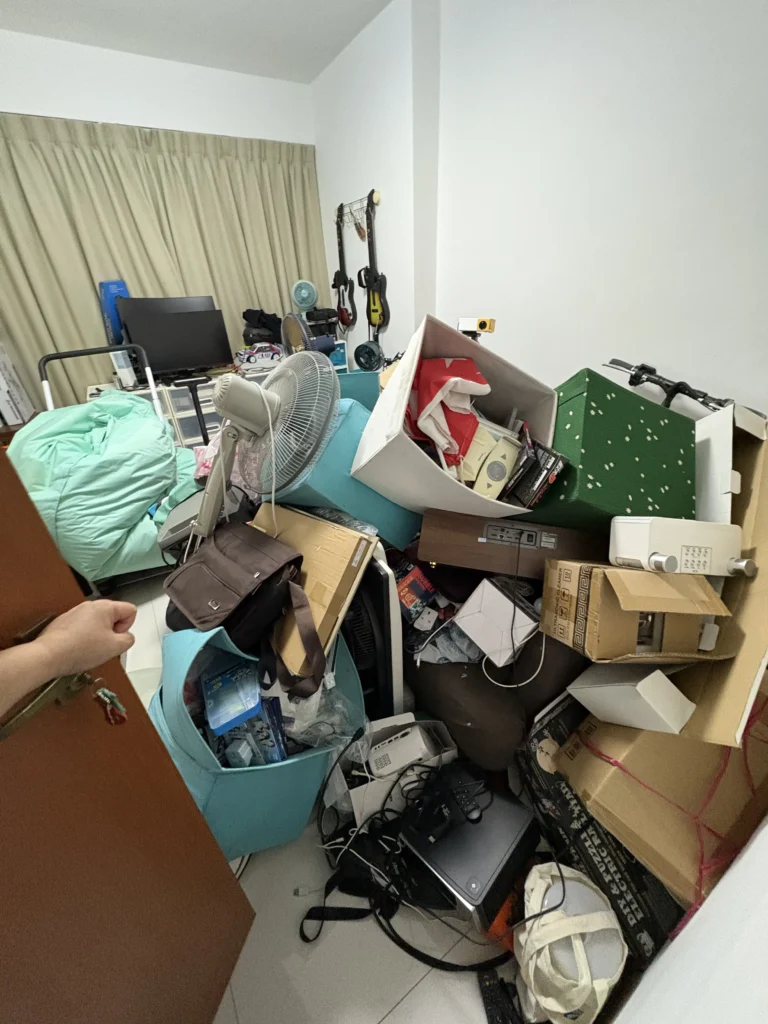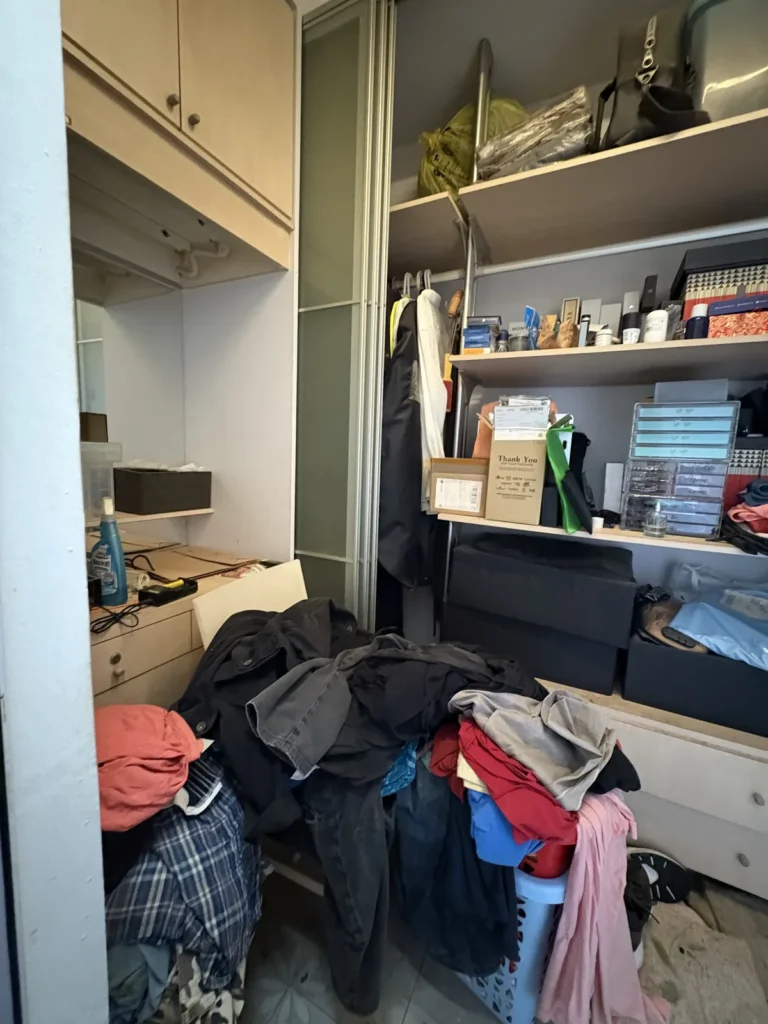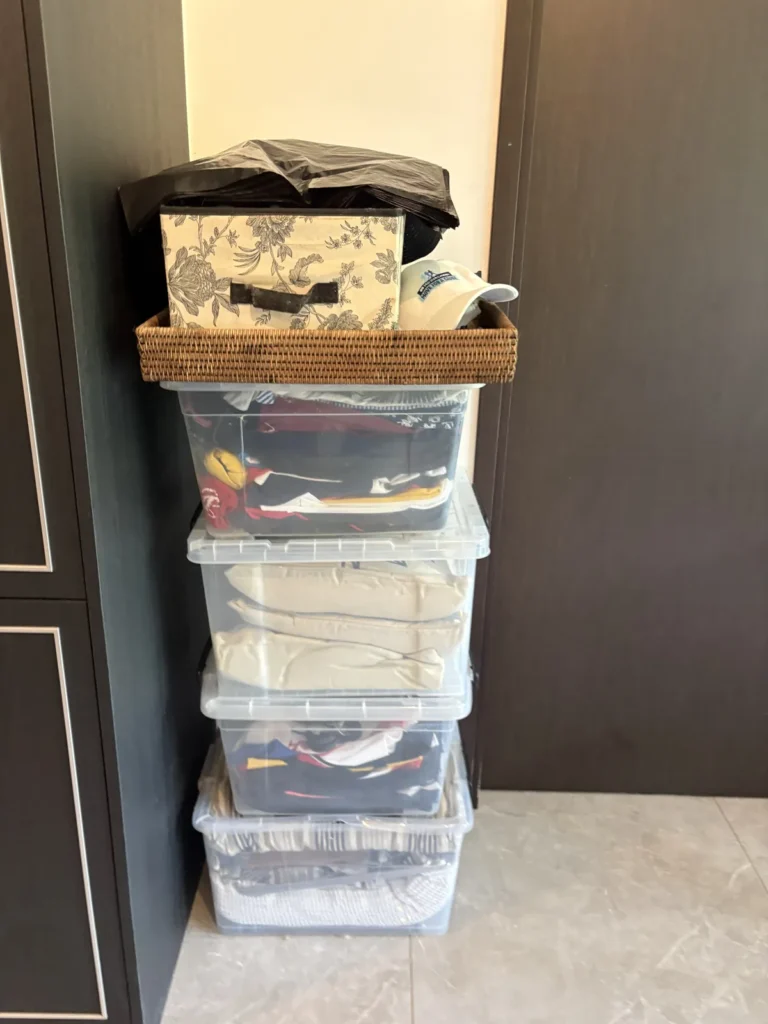
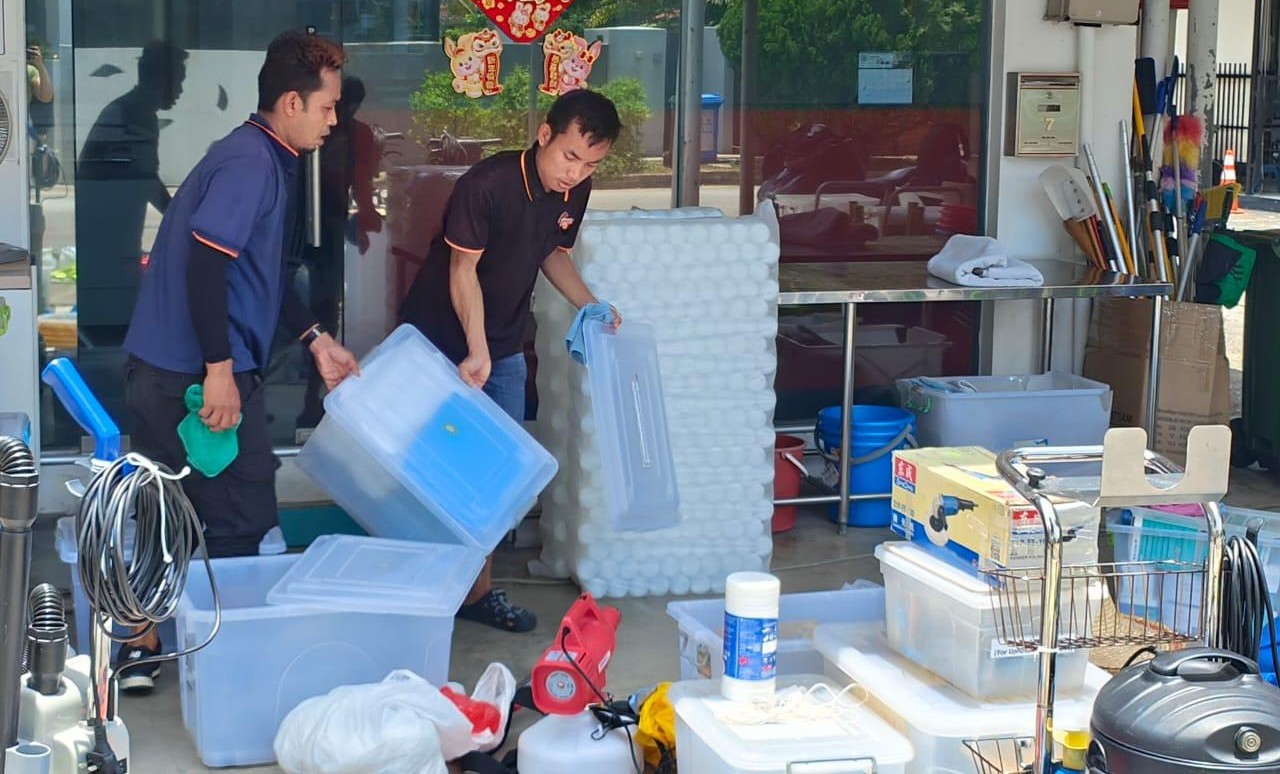
A decluttering and organising service can make a noticeable difference when everyday spaces no longer work properly, especially when misplaced items, crowded storage, and constant rearranging begin affecting daily routines at home.
Most services cover item sorting, keep-or-remove decisions, storage planning, surface clearing, simple labelling, light clean-up, and preparation for disposal, donation, or recycling.
In this article, we will cover the service scope, the usual workflow, the areas that can be organised, and the results you should expect before booking a professional team.
Let’s look at what the service actually includes before you decide if it fits your home.
What Is A Decluttering And Organising Service?
A decluttering and organising service helps sort, reduce, arrange, and reset items so a space becomes easier to use, clean, and maintain.
Decluttering means sorting through what is there and deciding what should stay, go, or move elsewhere. Organising means giving the items you keep a clear and practical place. This applies to wardrobes, kitchens, storerooms, home offices, shared rooms, and office storage areas.
The work is usually shaped around what matters most to you. Some homes need help sorting years of stored items, while others simply need a better way to keep daily essentials in order.
In most cases, the goal is not to make the space look staged or overly polished. It is to make the space practical, easy to access, and easier to manage after the team leaves.
What Is Usually Included In A Decluttering And Organising Service?
A decluttering and organising service usually covers the hands-on work needed to make a busy space easier to use again, from sorting what is there to setting up a clearer place for the things you still need.
Here is what that often looks like once the work begins:
1. Sorting And Categorising Items
This step usually comes first because it is hard to organise a room when everything is still sitting in the wrong place.
Items are often separated into simple groups, such as things to keep, remove, donate, recycle, move to another room, or check again later. This step can also reveal what has been hidden at the back of cupboards, bought twice by accident, or kept long after it stopped being useful.
2. Organising And Rearranging Retained Items
Once the sorting is done, the items you keep are arranged around how you actually use the space.
Everyday items should sit where you can reach them without shifting half a shelf first. Things you use less often can go into higher cabinets, deeper storage areas, or labelled boxes. The point is not to make the room look tidy for one day, but to make daily use feel less frustrating.
3. Storage Planning And Space Optimisation
This part looks at how your shelves, drawers, cabinets, and floor space can work harder. This means grouping similar items together, creating simple zones, or freeing up space in cupboards that have slowly become dumping areas.
In smaller homes, this step can make a real difference because one overfilled cabinet often spills into the rest of the room.
4. Labelling And Accessibility Improvements
Clear labels help everyone know where items belong after the service is finished. Labels can be added to boxes, shelves, drawers, pantry areas, or office files.
They do not need to look fancy. They simply need to be clear enough that you can put things back without guessing. Access matters too, so items used often should not be buried behind things you rarely touch.
5. Light Cleaning After Decluttering
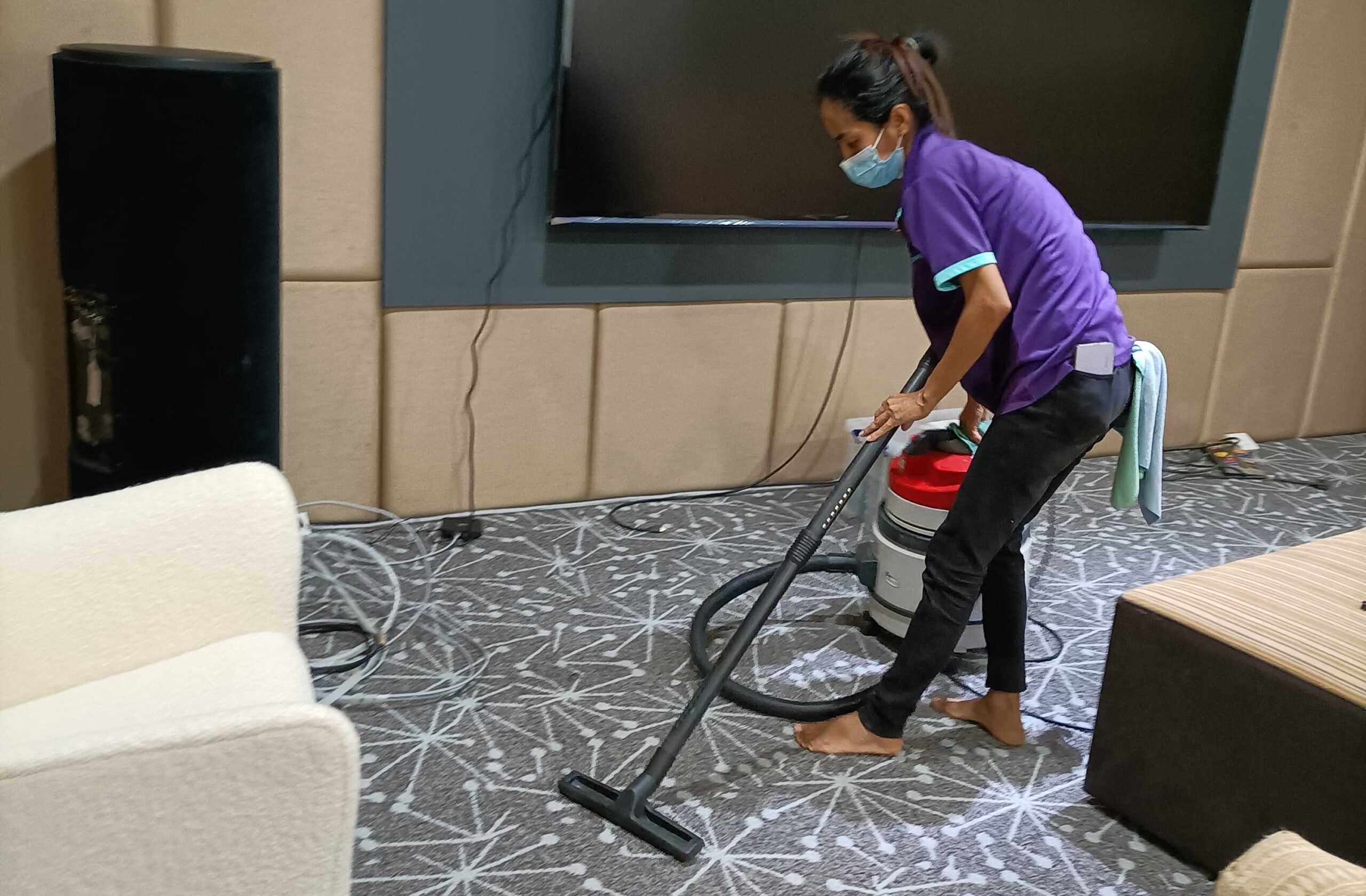
Some light cleaning can be done after clutter has been cleared from shelves, floors, drawers, or worktops. This can include wiping exposed surfaces, removing dust, vacuuming open areas, or cleaning corners that were blocked before.
If the space needs deep cleaning, stain removal, or sanitisation, that usually has to be discussed as a separate request.
6. Disposal, Donation, And Recycling Preparation
A decluttering service may also help prepare unwanted items for disposal, donation, or recycling. This usually means bagging, boxing, grouping, or setting aside items based on what you decide to remove.
Personal items should not be thrown away without your approval, especially documents, valuables, sentimental items, or anything that may still matter later.
What May Not Be Included Unless Requested?
A decluttering and organising service can do a lot, but it does not always cover every job that appears once the space is opened up, especially if bulky items, stains, pests, or private documents are involved.
These are the areas you should clarify before the team starts work:
- Heavy furniture moving: Large furniture may need to be handled separately. Items such as wardrobes, sofas, bed frames, and heavy cabinets can require extra manpower or special care to move safely.
- Deep cleaning and sanitisation: The team may wipe dusty shelves or exposed surfaces, but heavy scrubbing, stain removal, odour treatment, and sanitisation may need a separate cleaning request.
- Large item disposal: Loose items may be packed or grouped, but bulky things like mattresses, broken furniture, appliances, or renovation waste often need separate disposal support.
- Hazardous or sensitive items: Chemicals, sharp objects, broken glass, medicine, private papers, and personal documents should not be moved or thrown away without clear permission.
- Pest or mould issues: A packed cupboard may reveal droppings, insects, damp patches, or mould, but solving those issues usually needs a different type of service.
- Repairs or installation work: Fixing shelves, drilling hooks, repairing cabinets, or adding new built-in storage is not normally part of decluttering.
- Donation or recycling drop-off: Usable items can often be sorted and packed, but sending them to a donation point or recycling centre may need separate arrangements.
How Does A Professional Decluttering And Organising Service Work?
A professional decluttering and organising service should not feel like strangers turning up and deciding what stays or goes. The work usually starts with a proper look at the space, how you use it, and which corners keep causing the same problems.
For Total Cleanz’s Home Organising and Decluttering Services in Singapore, the first step is a free 20- to 45-minute consultation. This gives the team time to understand your goals, budget, lifestyle, and the areas that feel hardest to manage before any organising system is set up.
You are not just paying for extra hands to tidy a space. You are getting a planned process that helps reduce guesswork, avoid half-finished sorting, and create a setup that is easier to maintain after the team leaves.
From there, the work is usually handled in stages:
- Initial Consultation: The team walks through the space with you and checks the rooms, cupboards, drawers, or storage corners that need the most attention.
- Sorting and Decluttering: Items are sorted into practical groups, such as keep, donate, discard, recycle, or sell, so you can make clearer decisions without feeling rushed.
- Organising System Setup: The items you keep are placed where they make sense, so daily items are easier to reach and easier to put back.
- Disposal and Recycling Support: Unwanted items can be grouped for disposal or recycling, so cleared clutter does not simply move from one corner to another.
- Final Check With You: The team reviews the finished space with you and adjusts anything that still feels awkward, unclear, or difficult to maintain.
Which Areas Can Be Decluttered And Organised?
A decluttering and organising service can help in any part of the home where items have started to pile up, block storage, or make simple routines feel more tiring than they should.
Here are the spaces where the work usually makes the biggest difference:
Area 1: Bedrooms And Wardrobes
Clutter can build up quietly here. One chair becomes the place for clean laundry, a drawer becomes the home for random receipts, and the wardrobe slowly fills with clothes you do not really reach for anymore.
Decluttering helps separate what you still use from what is only taking up space. Once that is done, the remaining items can be arranged by clothing type, daily use, season, or owner.
This makes mornings easier because you are not digging through a full cupboard just to find one shirt.
Area 2: Kitchens And Pantries
These areas are easy to overfill because so many things pass through them. You may have duplicate containers, expired pantry items, extra mugs, loose utensils, and small appliances that barely leave the cabinet.
A proper reset helps group cookware, dry food, cleaning supplies, and daily-use items into clearer zones.
This makes the kitchen easier to cook in and easier to clean. It also helps you see what you already have before buying the same item again.
Area 3: Living Rooms And Shared Spaces
Shared spaces often collect everyone’s things. Bags, toys, books, chargers, mail, remote controls, and school items can slowly turn a shared space into a drop-off point.
Decluttering helps return the room to what it is meant for, whether that is resting, hosting guests, watching television, or spending time with family.
Area 4: Bathrooms And Utility Areas
Even smaller areas can look crowded when the mess is small. Toiletries, towels, refill packs, cleaning products, laundry items, and half-used bottles can quickly fill shelves and cabinets.
Organising these areas helps remove what has expired, group what belongs together, and keep daily essentials within reach.
This also makes cleaning easier because surfaces are no longer blocked by loose bottles and supplies.
Area 5: HDB Storerooms And Service Yards
These storage-heavy spaces often end up holding everything that has no clear place elsewhere. Luggage, tools, festive items, spare appliances, cleaning supplies, cartons, and “maybe next time” items can all end up in one tight space.
Decluttering helps sort what should stay, what should move, and what can finally go. Once the excess is cleared, the space can be arranged so useful items are not buried behind old boxes.
Area 6: Home Offices And Study Areas
Work and study areas can become messy faster than expected, especially when work papers, notebooks, chargers, stationery, books, and loose cables all land on the same desk.
Decluttering helps separate what you need for daily work or study from what can be filed, stored, recycled, or moved elsewhere.
Once the desk and shelves are clearer, the area can be arranged around how you actually work, so documents, devices, and supplies are easier to reach without turning the whole table into a storage zone.
Area 7: Office Workspaces And Commercial Storage Areas
Clutter in offices usually builds up in shared places first. Filing cabinets, pantry shelves, supply cupboards, storerooms, desks, and back-of-house areas can slowly fill with old documents, unused supplies, packaging, equipment, and items no one wants to claim.
A decluttering session helps sort these items by use, department, priority, or disposal decision.
For commercial spaces, the goal is simple: make the area easier for staff to use, easier to clean, and less likely to slow down daily work.
What Outcomes Can You Expect After A Decluttering And Organising Service?
After a decluttering and organising service, the change should feel practical, not just visual, because the space becomes easier to move through, easier to clean, and easier to use without constantly shifting things from one corner to another.
These are the everyday improvements you should notice once the clutter has been sorted and the space has been reset:
- Clearer space: Floors, shelves, tables, and cabinets should feel less crowded.
- Easier cleaning: Dusty corners and blocked surfaces become easier to reach.
- Better storage use: Cupboards and drawers start making sense again.
- Less daily friction: You spend less time searching, digging, and rearranging.
- Easier maintenance: The new setup should feel simple enough to keep.
When Should You Book A Decluttering And Organising Service?
You should book a decluttering and organising service when the mess keeps coming back, even after you have spent time tidying the same shelves, boxes, drawers, or corners again and again.
These are the moments when help starts to make sense:
- Before deep cleaning, the service can help when loose items, old boxes, and packed shelves stop cleaners from reaching dusty corners and hidden surfaces.
- Before moving in or moving out, it makes sense when you do not want to bring unused, duplicated, or forgotten items into the next home.
- Before renovation works, it can help when walkways, cabinets, and storage areas need to be cleared so workers can access the space more easily.
- After renovation or handover, it is useful when cartons, tools, spare materials, and new purchases start to pile up before the home has a proper system.
- You may also need help when the storage feels annoying to use. Full cupboards, packed storerooms, and messy service yards usually mean the issue is no longer just untidiness. The setup itself may need to be changed.
FAQs
How To Prepare Before A Decluttering And Organising Service
Choose the spots that frustrate you most, put valuables aside, and point out anything the team should leave alone.
Is Cleaning Included In A Decluttering And Organising Service?
Yes, some light wiping may happen after clearing, but heavier cleaning or sanitising should be mentioned before the visit.
How Is A Decluttering And Organising Service Different From Standard Cleaning?
Decluttering sorts and organises belongings, while standard cleaning removes dust, dirt, stains, and grime from surfaces, floors, and fixtures.
How Long Does The Service Usually Take?
A small area may be quick, but packed cupboards, storerooms, or many keep-or-throw decisions can take longer.
Conclusion
Packed cupboards, messy tables, and overflowing storerooms can quietly turn simple daily routines into annoying tasks that waste more time than expected.
A decluttering and organising service creates clearer storage, better access to everyday items, and less frustration when moving through the home.
Once the excess is removed, rooms usually feel easier to clean, easier to maintain, and far less tiring to manage daily.
For homes that feel overcrowded or difficult to manage, Total Cleanz offers practical organising support that helps you reclaim space without turning the process into another exhausting project for your household and daily routine again comfortably.