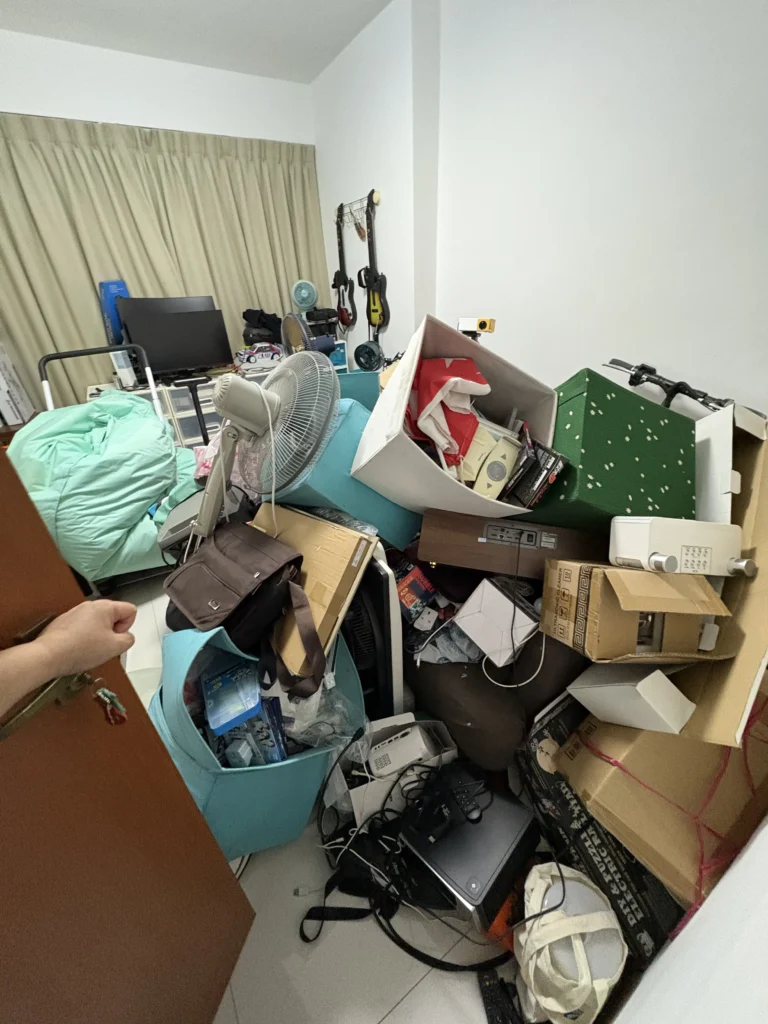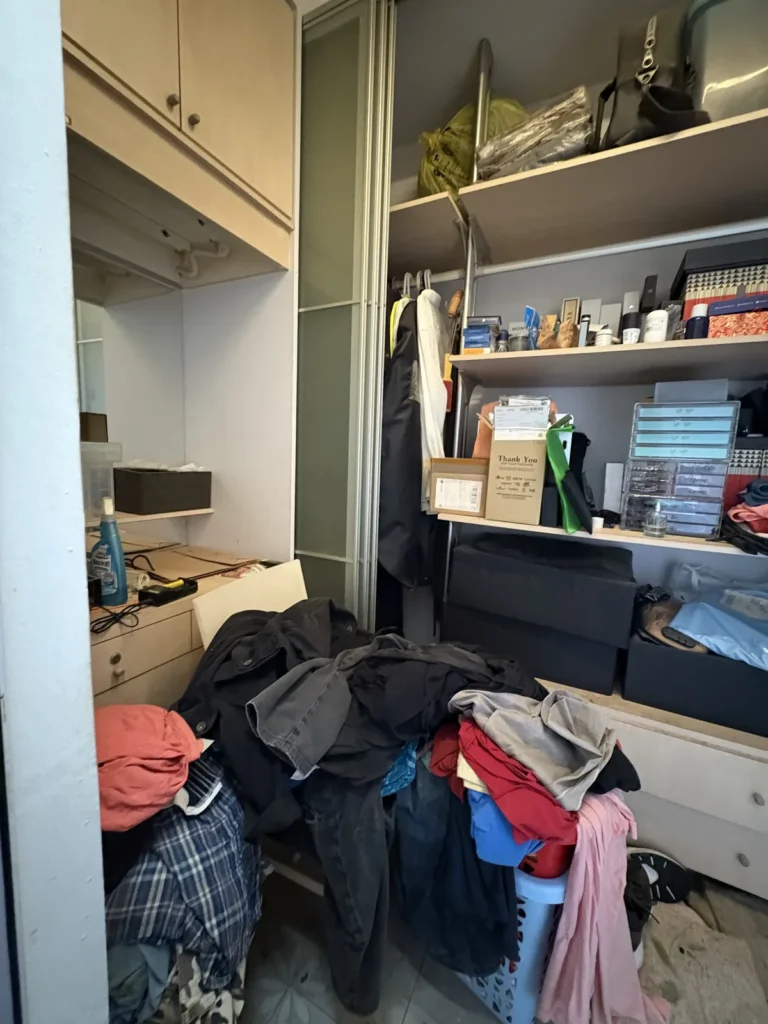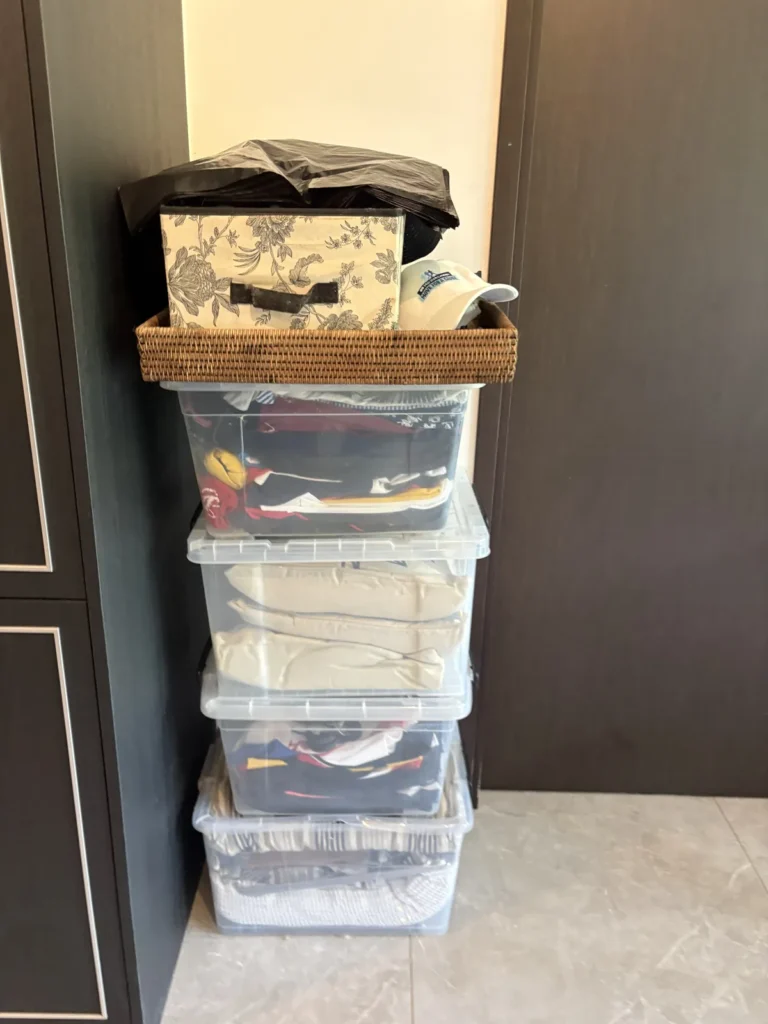
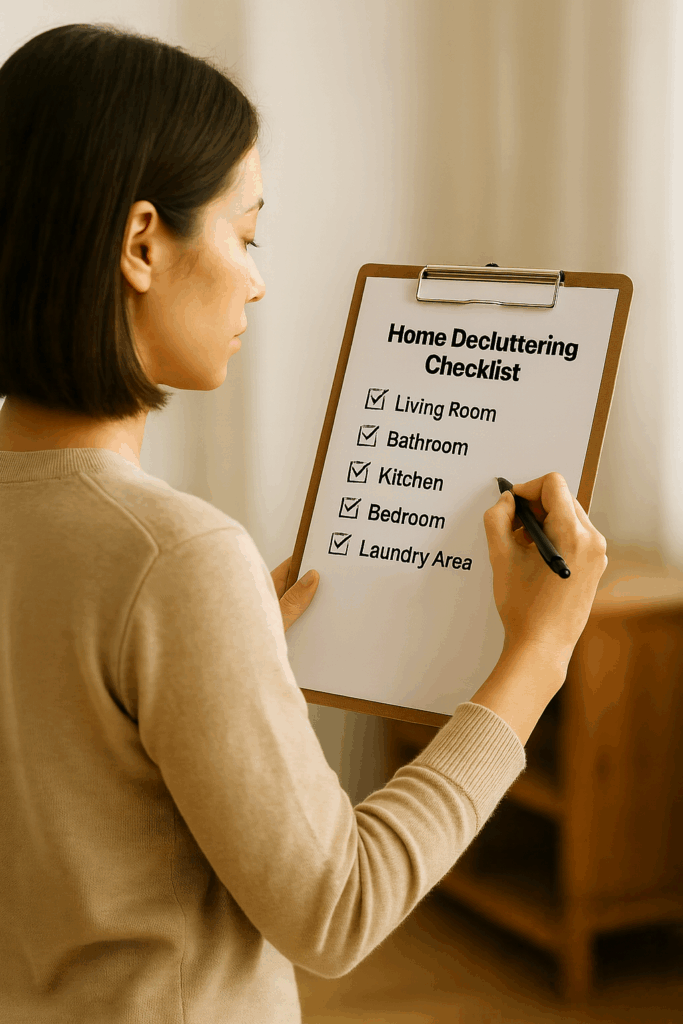
A messy home can drain your energy, slow your mornings, and make even simple tasks feel overwhelming. A proper home decluttering checklist helps you take back control and restore a sense of calm to your space.
Clutter builds up easily in busy Singapore households where limited storage and fast-paced routines make it difficult to keep things in order. Small piles quickly grow into distracting daily stress.
Decluttering brings clarity, opens up space, and makes each room easier to maintain. It also lifts your mood and improves overall productivity.
In this article, we will tackle the step-by-step process for decluttering every area of your home.
Why a Room-by-Room Decluttering System Works
A room-by-room structure helps you stay focused, reduce overwhelm, and see progress faster, especially in compact Singapore homes.
It breaks the home into manageable spaces, keeps decisions clear, and prevents clutter from shifting between rooms.
This approach also improves cleaning access, supports airflow, and reduces moisture build-up that often occurs in humid conditions.
By working through each area in a fixed order, you maintain momentum and complete the task with less stress.
Recommended Decluttering Order
Follow this sequence for the most efficient results:
- Doorway and Entryway
- Living Room
- Bathroom
- Kitchen
- Bedroom
Essential Cleaning Supplies and Tools Before Decluttering
Professional cleaners always keep a reliable set of basic supplies on hand to support efficient, organised, and hygienic cleaning.
These essentials help manage clutter, protect surfaces, and make every task smoother, especially in homes with limited space or high daily activity.
- Trash Bags: Used to collect rubbish, remove unwanted items, and clear clutter quickly during any cleaning session.
- Boxes or Storage Bins: Helpful for sorting loose items, grouping belongings, and keeping the decluttering process orderly.
- Microfibre Cloths: Effective for wiping and polishing because they trap dust and dirt more efficiently than ordinary fabric cloths.
- All-Purpose Cleaner: A versatile solution for daily surfaces such as tables, countertops, shelves, and light-use areas.
- Scrub Brushes or Sponges: Essential for lifting stubborn grime, particularly in kitchen corners, bathroom tiles, and other high-use zones.
- Buckets: Useful for holding clean water or diluted cleaning solutions, keeping the workflow structured and tidy.
- Protective Gloves: Important for protecting your hands from cleaning agents, dirt, and prolonged exposure to moisture.
Doorway and Entryway Decluttering Checklist
The doorway is the first space you see when entering your home, and it shapes the overall impression of cleanliness and order.
In many Singapore homes, this area is compact and often becomes a drop zone for shoes, bags, mail, and daily essentials. Clearing this space helps improve movement, reduce dust, and set a calmer tone for the rest of the home.
10 Common Things to Declutter in the Doorway and Entryway
- Old or worn slippers left outside the main door
- Shoes that are rarely used or no longer fit
- Umbrellas left dripping near the entrance or forgotten in a corner
- Reusable shopping bags stuffed into hooks or cabinets
- Expired coupons, flyers, and letters left on key trays or shoe cabinets
- Loose coins, access cards, and old keys mixed together in bowls or trays
- School bags or work bags placed on the floor after coming home
- Parcels, delivery packages, or unopened online orders
- Hats, caps, or accessories thrown over hooks or railings
- Sanitiser bottles, extra masks, or old mask boxes taking up space
Step 1: Clear Shoes and Footwear
Take off any worn-out, outdated, or rarely worn pairs. Organise regular shoes in a cabinet or on a shoe rack. This enhances safety in small hallways and lessens clutter at the entrance.
Step 2: Organise Bags, Umbrellas, and Daily Essentials
Sort reusable shopping bags, umbrellas, handbags, and school bags. Only items you use every day should be kept here. To keep things organised and prevent visual clutter, assign hooks or a basket.
Step 3: Sort Mail, Parcels, and Loose Papers
Collect letters, delivery packages, bills, and flyers. Categorise or relocate them immediately to prevent paper piles from forming. Paper clutter attracts dust and makes the area look untidy.
Step 4: Reset the Key and Accessory Area
Clear trays, bowls, or holders that collect keys, access cards, spare coins, or small accessories. Remove outdated or unused items. Keep only essential access items within reach.
Step 5: Wipe Surfaces and Improve Ventilation
Wipe shoe cabinets, shelves, doorknobs, and frequently touched areas. Open nearby windows or the main door to improve airflow and remove odours. A clean, well-ventilated entryway sets a welcoming tone.
Living Room Decluttering Checklist
The living room is the central gathering space in many Singapore homes. It hosts guests, family activities, entertainment, and daily routines, which means clutter can build up quickly.
A well-organised living room prevents clutter from spreading through compact Singapore homes and makes upkeep much easier.
10 Common Things to Declutter in the Living Room
- Remote controls, cables, and old chargers scattered across tables
- Magazines, newspapers, or flyers piled on the coffee table
- Toys or board games left from family activities
- Decorative items that no longer match the room or take up too much space
- Old cushions, throws, or small rugs that trap dust
- Books stacked on side tables instead of proper shelves
- Unused candles, diffusers, or display pieces
- Paper clutter such as receipts, warranty cards, and brochures
- Bags, jackets, or personal items dropped on sofas or chairs
- Unopened parcels, shopping bags, or online delivery items
Step 1: Clear All Surfaces
Clear away any loose objects from side tables, shelves, consoles, and coffee tables. This improves the area’s appearance right away and sets it up for later, more thorough sorting.
Step 2: Manage Electronics and Cables
Gather remote controls, chargers, gaming controllers, and cables. Declutter unused devices and organise the rest using cable ties, baskets, or dedicated storage.
Step 3: Review Decorative Items
Examine display pieces such as picture frames, candles, ornaments, and vases; keep those that provide balance or meaning and remove those that overcrowd the area.
Step 4: Organise Books, Magazines, and Paper Items
Sort magazines, newspapers, brochures, and loose papers. Clear old issues and file important documents properly. Arrange books neatly on a shelf to reduce visual clutter.
Step 5: Refresh Soft Furnishings
Examine throws, cushions, and small carpets. Shake out the dust and remove worn items. To keep the area neat, store the throws in baskets or fold them neatly.
Step 6: Check Storage Cabinets and Drawers
Open drawers, sideboards, and TV consoles that often become catch-all spaces. Sort through items and relocate those that belong in other rooms.
Step 7: Wipe Surfaces and Improve Ventilation
After clutter has been removed, vacuum or mop the floor, clean electronics, and wipe all surfaces. To increase ventilation and lower humidity, open windows or switch on fans.
Bathroom Decluttering Checklist
The bathroom is often considered the dirtiest area in any home because it handles human waste, constant moisture, and daily grooming activities.
In Singapore’s humid climate, this space becomes even more prone to mould, odour, and bacteria. When shelves are crowded and ventilation is poor, hygiene levels drop quickly.
A structured decluttering system helps you maintain cleanliness, prevent moisture build-up, and create a safer environment for your household.
10 Common Things to Declutter in the Bathroom
- Expired skincare, haircare, and personal care products
- Nearly empty bottles taking up shelf or counter space
- Old toothbrushes, razors, and grooming tools
- Multiple duplicates of the same product (shampoo, body wash, lotions)
- Used cotton pads, tissue bits, or empty packaging left near the sink
- Old towels, face cloths, and bath mats
- Unused hotel or travel-size toiletries
- Hair ties, clips, and accessories scattered around
- Empty toilet roll inserts or packaging
- Rusted or mouldy bath accessories such as soap dishes or caddies
Step 1: Remove Expired and Unused Products
Examine every bottle, tube, and container on cabinets, shelves, and counters. Items that have expired should be thrown away right away because they are contaminated and can grow mould.
Step 2: Sort Daily and Occasional Items
Separate daily-use essentials from occasional treatments. Keeping frequently used items accessible prevents clutter and speeds up morning routines.
Step 3: Declutter Towels, Linens, and Fabrics
Take off bath mats and towels that are tattered or discolored. Because of Singapore’s climate, these readily absorb moisture and serve as breeding grounds for bacteria.
Step 4: Organise Cabinets, Drawers, and Under-Sink Areas
Clear out grooming tools, toiletries, cleaning products, and travel items. Remove duplicates and expired packets. Group similar items to maintain long-term order.
Step 5: Review Bathroom Accessories
Replace cracked, rusted, or mouldy soap dishes, shower caddies, and holders. Damaged accessories trap grime and affect hygiene.
Step 6: Wipe Surfaces and Control Moisture
Wipe all counters, mirrors, shelves, and metal fixtures. Improve airflow by opening windows or turning on the exhaust fan to reduce humidity and prevent mould.
Kitchen Decluttering Checklist
The kitchen is one of the most heavily used areas in any Singapore home, and it tends to accumulate clutter faster than expected. Daily cooking, takeaway containers, and limited counter space make it easy for items to pile up.
Singapore’s warm and humid climate affects food freshness and encourages moisture and grease build-up. A well-maintained kitchen creates a cleaner, safer, and more comfortable space for everyday living.
10 Common Things to Declutter in the Kitchen
- Expired sauces, spices, canned food, and snacks
- Mismatched food storage containers and lids
- Takeaway containers and disposable cutlery from recent food deliveries
- Old cleaning sponges and scrubbers
- Duplicate utensils or tools that are rarely used
- Rusty or damaged pots, pans, and cookware
- Plastic bags stuffed into cabinets or drawers
- Unused small appliances such as sandwich makers or blenders
- Half-used seasoning packets or instant-food sachets
- Worn dish towels or cloths that trap odour
Step 1: Clear and Simplify Countertops
Except for everyday necessities, clear the countertop of everything. This instantly frees up space and facilitates cleaning. Items for infrequent use should be kept in cabinets or drawers.
Step 2: Sort and Check Food Items
Check pantry staples, spices, canned goods, and fridge items. Dispose of expired or stale food to prevent odour and pests. Group remaining items by category for easier access.
Step 3: Organise Containers and Lids
Match containers with their lids and remove stained, warped, or mismatched pieces. Stack remaining containers neatly to maximise storage space.
Step 4: Review Cookware and Utensils
Sort through pots, pans, knives, and utensils. Remove duplicates or damaged pieces. Keep only the tools you use regularly to avoid overcrowding.
Step 5: Reset the Small Appliance Zone
Review small appliances such as kettles, air fryers, rice cookers, and blenders. Keep daily-use items accessible and store seldom-used appliances in higher cabinets.
Step 6: Wipe Surfaces and Degrease High-Use Areas
Once clutter is cleared, wipe countertops, clean the stovetop, and degrease areas around the cooking zone. Good cleaning habits help prevent mould and grease build-up.
Bedroom Decluttering Checklist
The bedroom is your personal space for rest, routines, and daily preparation. In many Singapore homes, it often doubles as a study area, storage zone, or dressing space.
These overlapping functions cause clutter to build up quickly, especially in smaller rooms with limited storage. Good organisation helps you maximise every corner of the bedroom, especially in smaller rooms with limited storage options.
10 Common Things to Declutter in the Bedroom
- Clothes worn once and left on chairs or bedframes
- Old receipts, coins, and loose items on bedside tables
- Unused skincare, perfumes, or toiletries stacked on dressers
- Half-read books, magazines, or notebooks
- Worn-out pillows or cushion covers
- Outdated chargers, cables, or small electronics
- Random accessories such as belts, scarves, or hats left out
- Bags or backpacks placed on the floor
- Packaging, tags, or shopping bags from recent purchases
- Socks, hair ties, or small personal items scattered around
Step 1: Clear Bedside Tables and Surfaces
Take out any loose items, including personal belongings, accessories, and receipts. After surfaces have been cleared, wipe them to reduce dust.
Step 2: Sort Clothing and Daily Wear
Gather clothes left on chairs, racks, or the floor. Decide what to return to the wardrobe, what to wash, and what to remove.
Step 3: Declutter Dressers and Personal Items
Review skincare, cosmetics, jewellery, and accessories. Remove expired products and items you no longer use. Group remaining items neatly.
Step 4: Organise Books, Papers, and Miscellaneous Items
Sort reading materials, notebooks, and loose documents. Keep only what you need and store the rest in designated areas.
Step 5: Review Soft Furnishings
Check small blankets, pillows, and cushion covers. Make sure there are clean sets available and remove any worn or unused parts.
Step 6: Tidy Bags and Frequently Used Items
Pick up backpacks, handbags, and reusable bags left in the room. Store them in proper zones to free up walking space.
Step 7: Wipe Surfaces and Improve Ventilation
Wipe all tops, handles, and shelves. Open windows or turn on fans to refresh the space and reduce humidity.
Cleaning and Sanitisation After Decluttering
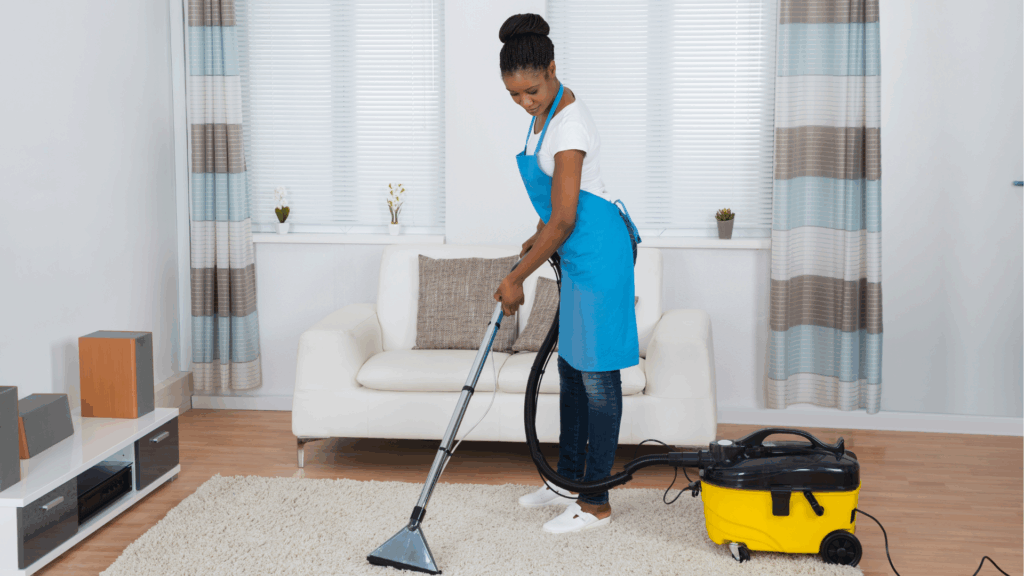
Once the clutter is cleared, cleaning becomes faster, more effective, and easier to maintain. With surfaces exposed and floors unobstructed, every area of your home can finally be cleaned thoroughly.
In Singapore’s humid climate, proper cleaning also helps reduce mould, bacteria, dust mites, and lingering odours. This stage reinforces all the work you have done and creates a healthier, fresher living environment.
Wipe All Surfaces and High-Touch Areas
Use a clean cloth and an all-purpose cleaner to wipe tables, shelves, handles, switches, and countertops. These areas collect dust and fingerprints quickly and should always be refreshed after sorting.
Vacuum and Mop the Floors
Vacuum corners, edges, and under furniture where dirt tends to accumulate. Mop with a mild cleaning solution to remove grime, dust, and residue from movement during decluttering.
Clean Soft Furnishings
Shake out cushions, wash covers, and refresh rugs or mats. Fabrics trap dust easily in humid weather, so cleaning them restores freshness and improves air quality.
Disinfect Key Zones
Sanitise high-use areas such as kitchen counters, bathroom fixtures, and dining tables. This helps prevent bacteria buildup, especially in warm environments.
Check for Moisture-Prone Areas
Look for indications of mold or moisture in enclosed areas, window frames, and corners. To stop a recurrence, quickly clean these areas and increase airflow.
Take Out the Rubbish Immediately
Remove trash bags, expired products, and discarded items right away. This prevents odours, pests, and unnecessary clutter from returning.
The steps may sound tiring, but you do not need to complete everything in one day. Decluttering works best when you pace yourself and focus on steady progress.
But if you prefer a smoother experience, our trained team at Total Cleanz can take over the cleaning and sanitisation for you.
With professional methods and reliable service, we ensure your home is thoroughly cleaned, refreshed, and easier to maintain without the stress of doing all the work on your own.
FAQ
How often should you repeat a full home decluttering routine?
A full home decluttering routine is best repeated every three to four months to prevent buildup, maintain organisation, and keep your living spaces easy to clean regularly.
What should you do with sentimental items you cannot decide to keep or discard?
Place sentimental items in a dedicated “review later” box, store it neatly, and revisit the contents every few months to make clearer, more confident decisions.
How can families with children maintain clutter-free rooms daily?
Assign simple storage zones, create quick pickup routines, and involve children in small organising habits to reduce clutter buildup and keep rooms manageable throughout busy weeks.
What is the best way to prevent clutter from returning after decluttering?
Set fixed homes for daily items, practice immediate tidying, avoid impulse storage, and do short weekly checks to prevent clutter spreading across different rooms again.
Conclusion
A well-planned home decluttering checklist helps create a more organised and comfortable living environment. It gives your home structure, reduces clutter, and makes everyday routines easier to manage.
But if the work feels overwhelming or you simply do not have the time, you can leave the decluttering and cleaning to professionals who handle it efficiently.
Total Cleanz is a leading provider of cleaning and sanitisation services in Singapore, serving commercial buildings, industrial facilities, and residential households. Our team ensures every space is cleaned thoroughly and maintained to proper hygiene standards.
Book your session with Total Cleanz today and enjoy $20 off your first cleaning service, making it easier to keep your home fresh, clean, and stress-free.