The higher the cleaning work goes, the more safety and standards matter, because one weak step in a high-area job can affect both people and property.
High-area cleaning covers work on ceilings, façades, glass panels, ducts, and other hard-to-reach areas above normal working height, which is why it calls for stricter licensing, trained staff, and tighter safety control.
In this article, you will learn what these standards mean in Singapore, why they matter, and how they help protect your property, the people on site, and the quality of the job.
Let’s look past the surface and see what proper high-area cleaning really takes from start to finish.
What Is High-Area Cleaning and Why It Is Different
High-area cleaning means cleaning parts of a property that sit well above normal reach. Think cobwebs in ceiling corners, dust on beams, smudges on tall windows, grime on outside glass, grease near vents above pantry areas, or dirt collecting around overhead lights.
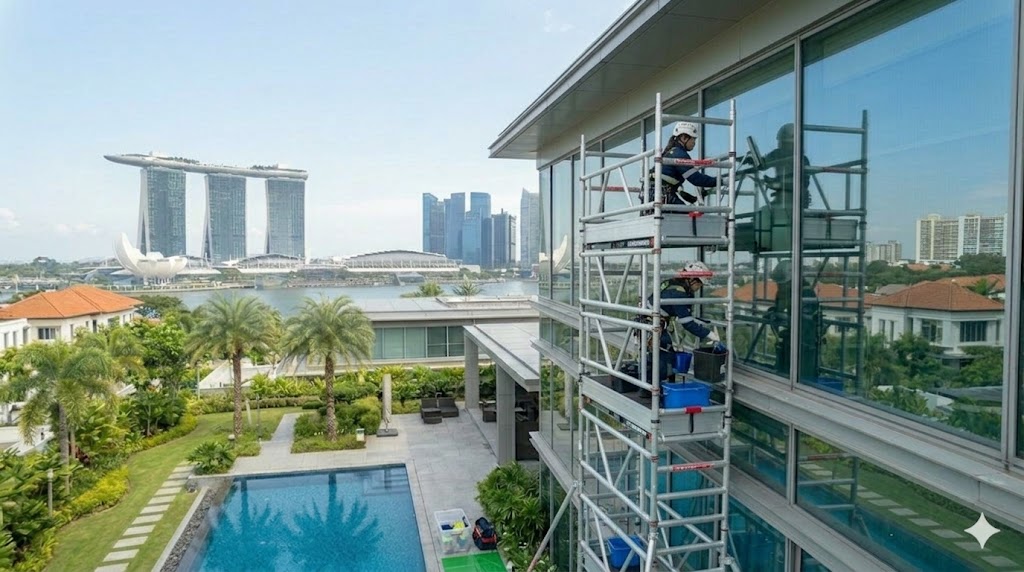
This type of cleaning is different because the height changes the job. A cleaner may need ladders, scaffolding, lifts, or long-reach tools just to get proper access. That adds more moving parts and more risk.
It is also easier for things to go wrong. Dust can fall into work areas, equipment can damage surfaces, and unsafe handling can put people at risk. That is why high-area cleaning needs tighter safety standards than routine cleaning.
7 Common Hazards in High-Area Cleaning
Now that you know what high-area cleaning really involves, it is easier to see why this type of work is better left to trained professionals who know how to manage the added risks safely.
Here are seven common hazards in high-area cleaning that professionals are trained to manage.
1. Falls from Height
Falls are a real risk in high-area cleaning because the work often involves awkward reach and unstable positions.
If you are wiping a tall window, dusting a beam, or cleaning a vent above a corridor, you may need to lean, turn, or stretch while on a ladder. One wrong shift in footing can quickly turn into a serious accident.
2. Falling Objects
Other than you falling, the materials you use and the dirt you remove can also create hazards for the people and things below. Dust from ceiling beams, bits of dirt from vents, or even a cloth or small tool can slip during the job.
In an office, that might mean dirt falling onto desks, monitors, or staff walking past. In a shop, it could affect shelves, products, or customers moving through the space.
3. Unstable or Improper Equipment Use
The wrong setup can make a routine job unsafe very quickly. A ladder placed on uneven flooring, a scaffold that is not secured properly, or a lift used in a tight space can all create problems.
Even something as simple as using a ladder that is too short can force you to overreach while working on high glass or ceiling fixtures.
4. Slips and Loss of Footing
High-area cleaning often involves narrow steps, wet surfaces, and awkward movement. A few drops of cleaning solution on a ladder rung or platform can make your footing less secure straight away.
The same goes for dusty ledges, damp floor tiles, or shoes picking up moisture during the job. When you are already working above ground, even a small slip can become much more serious.
5. Electrical Hazards
You also face electrical risks when cleaning near overhead lights, ceiling fans, exposed wiring, or air-conditioning units. If water, spray, or a damp cloth gets too close, the job can become dangerous very quickly.
You may be wiping around a light fitting or vent cover without seeing what sits behind it. In older buildings, loose covers or hidden wiring can make the area even riskier.
6. Chemical Exposure
Spraying or wiping overhead surfaces can make cleaning chemicals harder to control. A misted glass cleaner may drift into the eyes, while a degreaser used near vents or ceiling panels can drip onto skin, walls, desks, or equipment below.
In places like offices, pantries, or shared buildings, even a small amount of overspray can create extra mess, surface damage, or irritation if the product is not handled carefully.
7. Poor Visibility and Hard-to-Reach Angles
Some high areas are difficult to clean simply because you cannot see them properly from where you are standing. Dust behind ducting, cobwebs above light fittings, or grime along narrow ledges can be easy to miss or awkward to reach.
That often leads to overreaching, rushed movements, or accidental knocks against glass panels, ceiling fixtures, or nearby equipment while trying to finish the job properly.
Why Licensing Matters for High-Area Cleaning in Singapore
Now that you know the hazards involved, it is easier to see why high-area cleaning in Singapore should only be handled by providers that meet the right licensing and safety requirements.
Here are the key requirements in Singapore that shape how this work should be done.
National Environment Agency (NEA)
In Singapore, a cleaning company needs a valid NEA Cleaning Business Licence to carry out general cleaning work properly. That matters even more in high-area cleaning, where the job may involve clearing cobwebs from ceiling corners, wiping tall glass panels, dusting beams, or cleaning around overhead lights and vents.
These are not jobs you want handled casually. A valid licence shows the company is operating within the proper system, rather than taking on elevated cleaning work without the right structure in place. It also gives you a better way to rule out providers that look cheaper, but may fall short on training, staffing, or compliance.
Ministry of Manpower (MOM)
In high-area cleaning, the issue is not only whether a cleaner can reach the area, but whether the work can be done safely once the job leaves ground level. That covers things like wiping tall glass panels, clearing dust from beams above workstations, cleaning vents near ceiling height, or removing grime from warehouse rafters.
In Singapore, this type of work falls under the Ministry of Manpower’s work-at-height safety rules, which focus on risk checks, proper access equipment, and suitable supervision before the job starts.
5 Benefits of Hiring Properly Licensed Cleaning Services
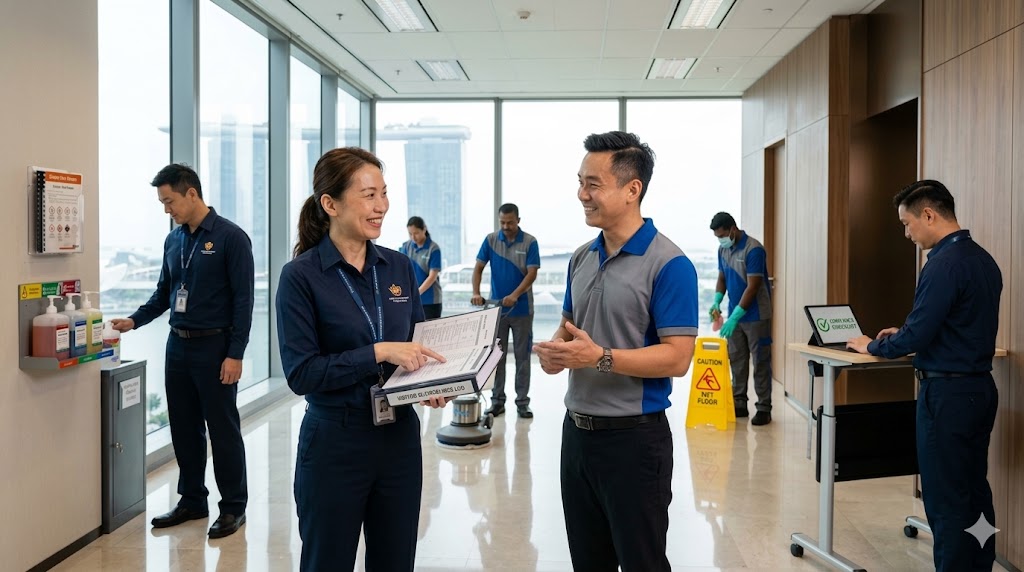
When you hire a properly licensed cleaning provider, you are not just paying for someone to reach a high spot. You are paying to avoid the usual problems that come with poorly managed cleaning, such as missed areas, repeat visits, staff complaints, and hygiene risks.
In high-area cleaning, that matters because the work happens above desks, glass panels, stock shelves, workstations, and shared walkways. When the job is planned and supervised properly, you get a safer process, a cleaner result, and far less hassle afterwards.
A licensed provider can give you practical benefits such as:
- Better safety control during the job, especially when cleaning ceiling corners, tall internal glass, beams, vents, and overhead light fittings
- Lower risk of preventable mistakes such as poor ladder setup, overreaching, or unsafe work in busy spaces
- Greater confidence that the company is operating within Singapore’s cleaning regulations rather than taking on the job casually
- Stronger accountability if the work involves shared spaces such as offices, shops, schools, or managed buildings
- Less hassle for you, because a more structured provider is usually better prepared to plan the work properly from the start
That makes a big difference when the goal is not just to clean a high surface, but to get the job done safely and properly the first time.
How to Verify a Cleaning Provider Before Hiring
Before hiring any company for high-area cleaning, check whether it is simply sending cleaners to do the job or managing the work properly from start to finish. That matters when the cleaning involves tall glass, ceiling corners, vents, beams, or overhead light fittings.
Here are a few practical steps you can take:
- Check whether the company clearly states its NEA licence status and whether it handles high-area work within proper safety requirements
- Ask how the job will be planned before work starts, especially if the cleaning involves overhead fixtures, beams, ducting, or glass panels in active spaces
- Look for signs of a managed process, such as site consultation, a customised checklist, supervision during the job, post-cleaning inspection, and rectification if something is missed
- Ask what equipment will be used for the specific area, rather than accepting a vague promise that the team can “handle it”
- Pay attention to how the company talks about results, because a stronger provider will usually focus on avoiding missed areas, repeat work, and unnecessary hassle, not just offering a basic cleaning service
If you want high-area cleaning in Singapore without the usual stress, you need more than a team that can simply reach high spots. You need a team that can plan the work, manage the details, and get it done the first time properly.
At Total Cleanz, we do that through consultation, a customised checklist, and close supervision based on the actual condition of your space, whether that means dusty ceiling corners at home, marked high glass in an office, or post-renovation dust sitting on overhead ledges and fittings.
Backed by 20 years of operational experience, a 99% client satisfaction rate, over 500,000 residential homes cleaned, and more than 10,000 businesses served, our focus is simple: less rework, fewer complaints, and a cleaner space with less hassle for you.
FAQ
Is High-Area Cleaning Only For Commercial Buildings?
No. Homes may also need it for high windows, ceiling corners, overhead lights, stairwells, and post-renovation dust on hard-to-reach surfaces.
Does Every High-Area Cleaning Job Need Special Equipment?
No. Some areas can be cleaned with extension tools, but taller or more awkward spaces may need ladders, scaffolds, or lifts.
Can High-Area Cleaning Be Done While People Are Still In The Space?
Yes, but we need to plan the work carefully to reduce disruption and protect people, furniture, equipment, and walkways below.
Should You Ask For A Site Assessment Before Booking High-Area Cleaning?
Yes. A site assessment helps us confirm the access method, cleaning scope, risk areas, and equipment needed for the job.
Conclusion
High-area cleaning can look like a small task until dust on beams, grime on high glass, and dirt in ceiling corners start causing complaints, repeat work, and hygiene concerns.
That is why high-area work needs proper standards, careful safety planning, and the right cleaning approach, because the job affects both the surface being cleaned and the people and property below.
When the work is managed well from the start, you avoid the usual hassle of missed spots, follow-up visits, and the worry that the job was not done properly.
Book Total Cleanz today for a managed cleaning solution built to reduce rework, complaints, and stress, and enjoy $20 off for your first cleaning service!