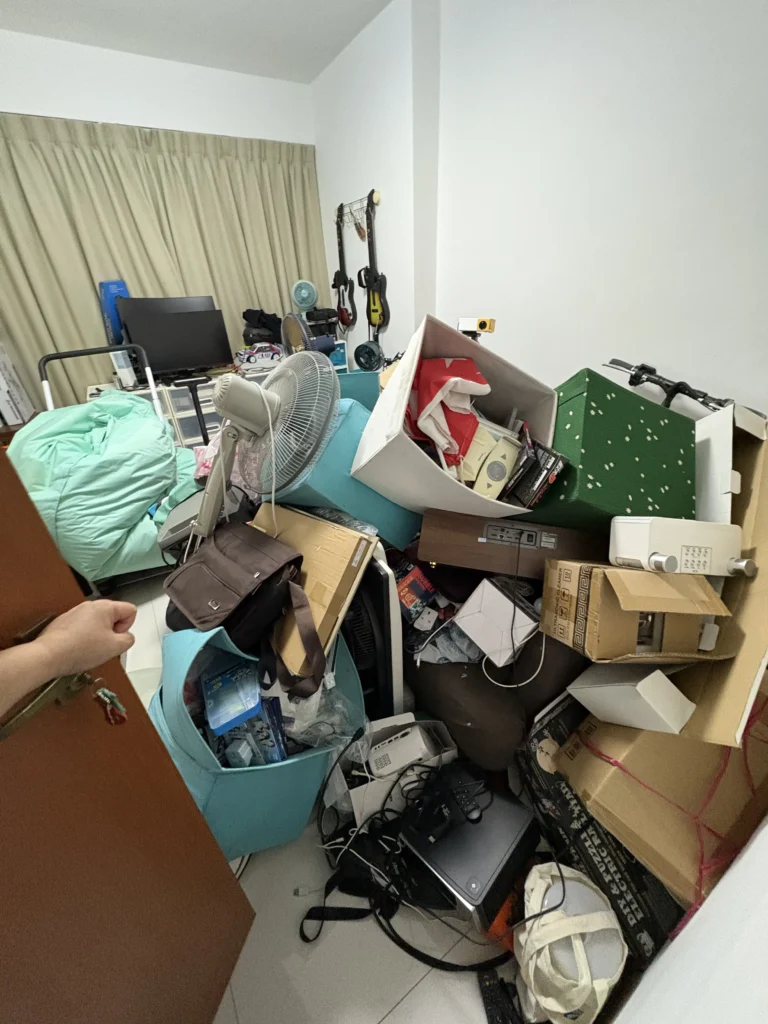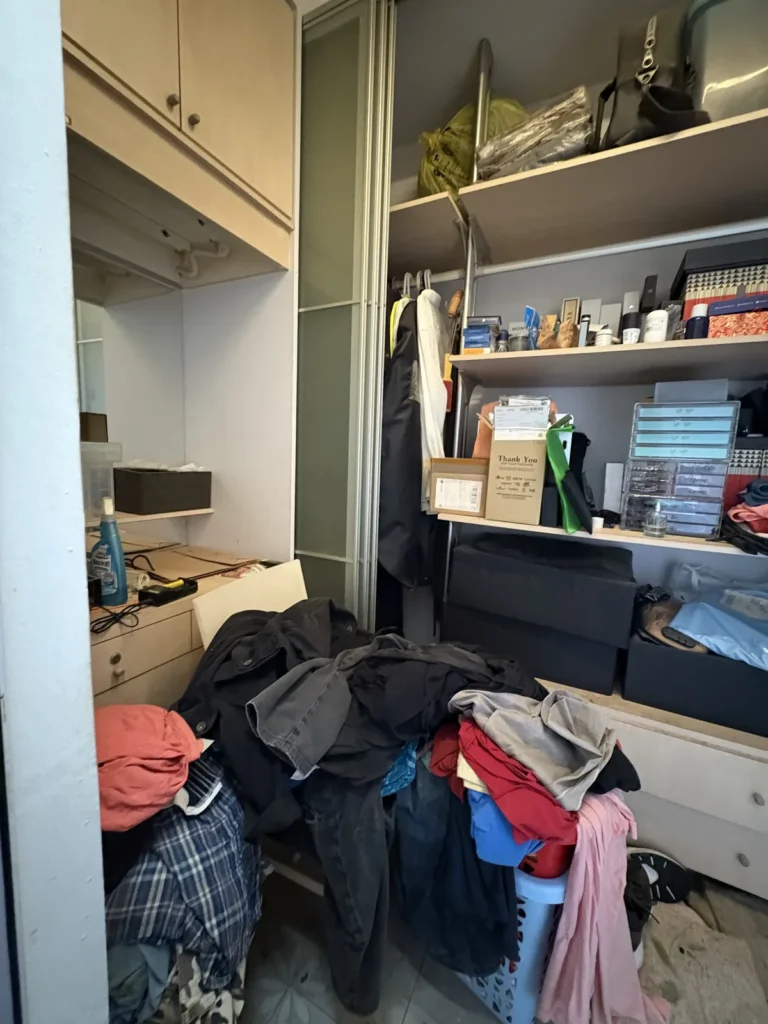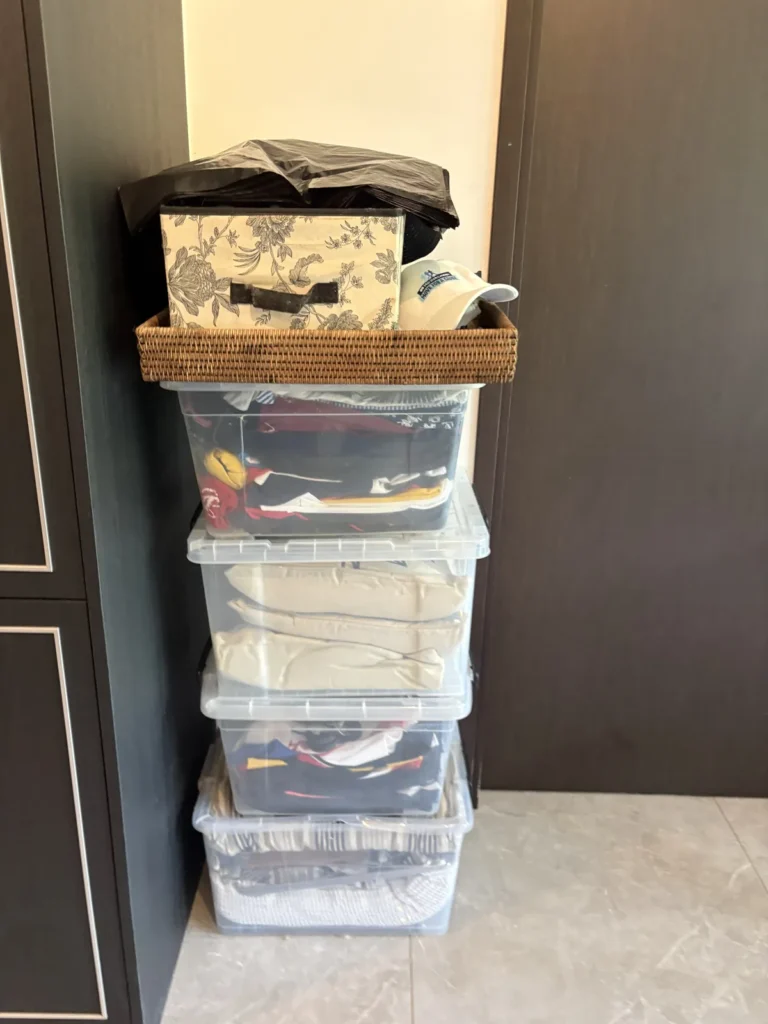
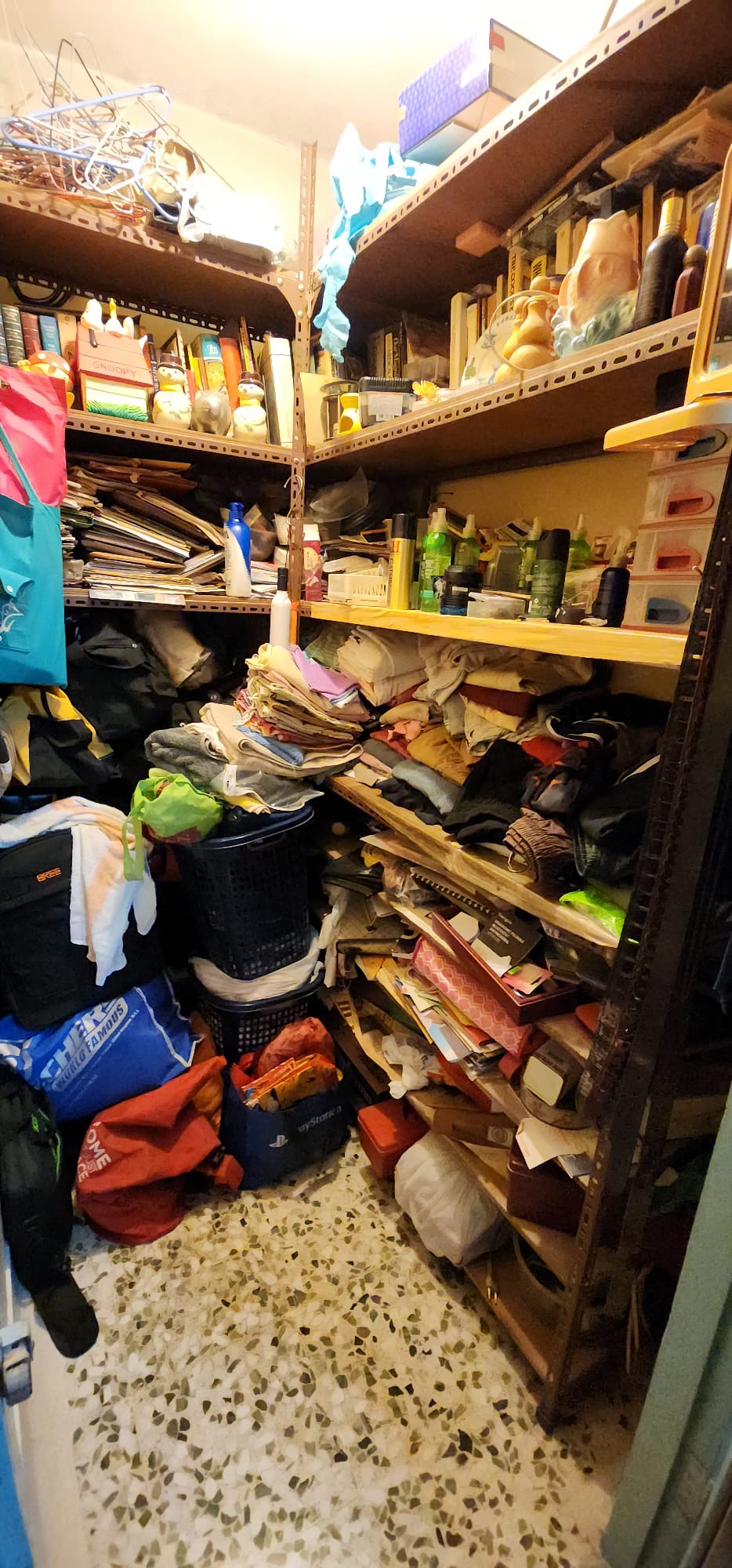
A cluttered home rarely becomes stressful in one day, but when DIY decluttering keeps moving the mess from drawers to corners, professional help can turn postponed decisions into a clear plan.
Professional decluttering is better when clutter feels overwhelming because the job is managed towards a proper finish, while DIY decluttering works best for smaller spaces you can manage alone.
In this article, we’ll look at what each option involves, where each works best, and when outside help makes sense.
Think of this as a practical checkpoint before another weekend disappears into half-sorted piles.
Professional Decluttering vs. DIY Decluttering at A Glance
Deciding between DIY and professional help is easier when you look beyond price and consider time, energy, headspace, and follow-through.
Here’s how both options compare in real life:
Decision Factor | DIY Decluttering | Professional Decluttering |
Best Fit | One cupboard, one wardrobe, or a small area with a clear goal. | Clutter across rooms, blocked storage, delayed cleaning, or stressful home situations. |
Main Trade-Off | You save money upfront but spend your own time, energy, and patience. | You pay more upfront but get structure, speed, guidance, and practical support. |
Emotional Load | You make every decision alone, including items tied to guilt, memories, or “just in case” thinking. | A professional helps you sort calmly without judgement or pressure. |
Cleaning Access | Clutter may still hide dust, mould-prone corners, and hard-to-clean areas. | Cleared spaces make shelves, floors, cabinets, and corners easier to clean and sanitise. |
Best Result | Works well when clutter is light and you can finish without losing steam. | Works well when you need a cleaner, more usable home and steady help to complete the job. |
Final Outcome | The result depends on your time, energy, and ability to follow through. | The process is managed so the space is cleared, organised, and ready for proper cleaning. |
What Is Decluttering?
Making space at home starts with deciding what should stay, what should go, and where everything you keep should belong. That is what makes decluttering different from a quick tidy-up.
Tidying can make a room look better for a while, but decluttering removes the things that keep getting in your way. According to research published in the Journal of Environmental Psychology, home clutter is linked with lower well-being because it can affect how people experience and use their home environment.
You can see this in something as ordinary as a drawer filled with old receipts, spare cables, and skincare you forgot you bought. It may not look serious, but every time you open it, you lose time digging through things you no longer use.
In Singapore homes, where HDB flats, condos, and service yards often have limited storage, removing clutter also gives cleaning teams better access to shelves, corners, floors, and hidden dust traps.
What DIY Decluttering Usually Involves
DIY decluttering usually means you become the planner, sorter, cleaner, organiser, and disposal coordinator, even if you only meant to clear one cupboard or wardrobe at first.
Here’s where a simple home project can start turning into a full weekend job:
- Choosing one area to start with. Start with a wardrobe, cabinet, drawer, shelf, storeroom, or service yard that has become hard to use.
- Emptying and checking the space. Taking everything out shows duplicates, expired items, dust, stains, or things you forgot were there.
- Sorting every item yourself. You decide what to keep, donate, sell, recycle, dispose of, or review later.
- Cleaning before putting things back. Once the area is clear, you can wipe shelves, vacuum corners, and check for mould-prone spots.
- Finishing the follow-through. The job is only complete when unwanted items leave the home, and the remaining items have a place you can maintain.
What Professional Decluttering Involves
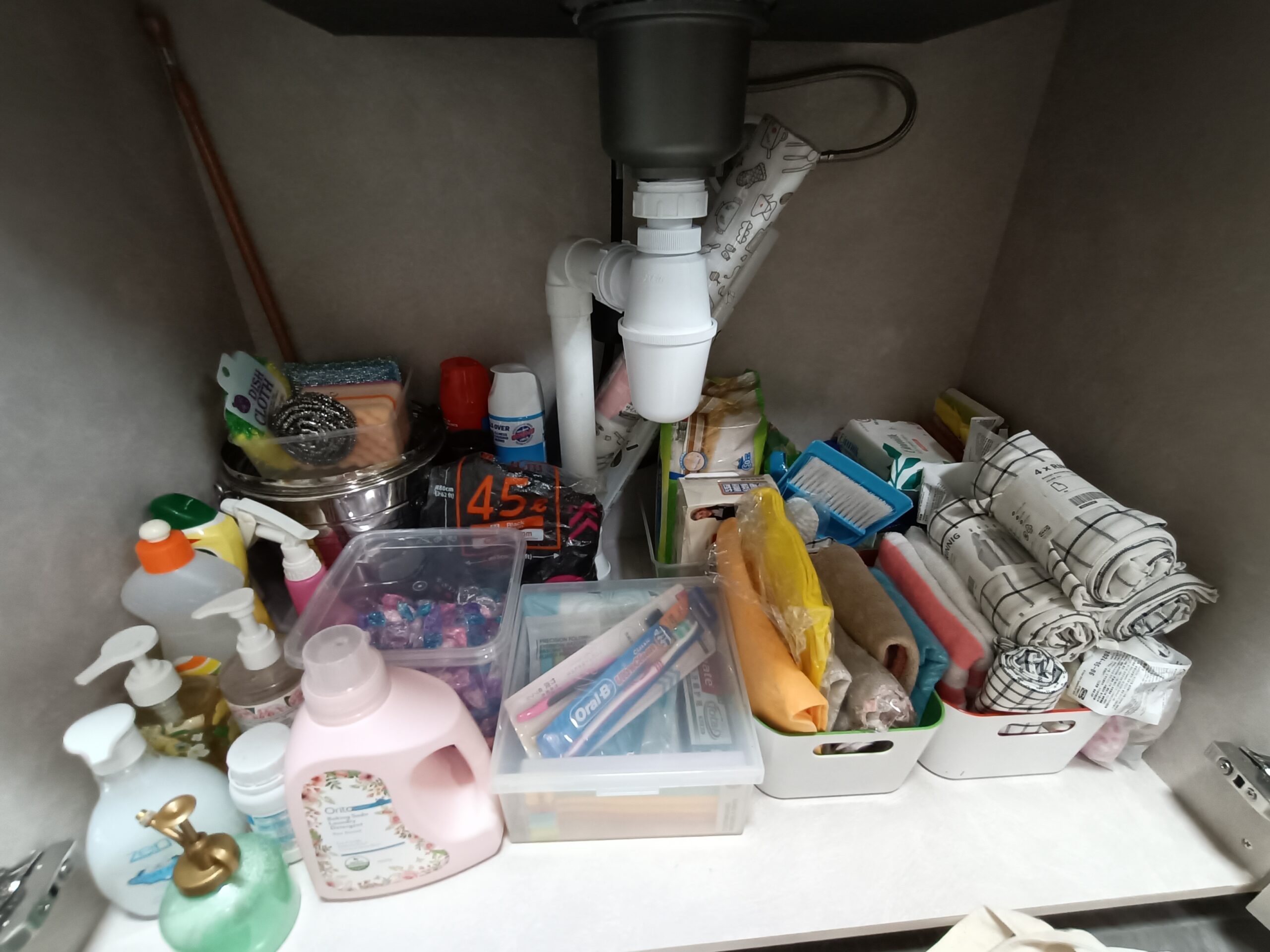
Professional decluttering gives the process more structure, which matters when clutter is no longer limited to one drawer and has started affecting storage, cleaning access, daily routines, or how comfortable the home feels.
Here’s what usually happens when the job is handled with a clearer plan:
- Assessing the space first. A professional looks at the room, storage areas, clutter level, cleaning access, and how you actually use the space before anything is moved, so the work can be assessed, sorted, checked, and prepared for cleaning.
- Setting a realistic goal. Instead of trying to clear the whole home at once, the work is usually broken into zones such as wardrobes, kitchen cabinets, storerooms, bedrooms, or service yards.
- Sorting with guidance. Each item gets a clear next step, whether it stays, leaves, gets donated, sold, recycled, disposed of, or reviewed later.
- Clearing access for cleaning. Once the excess is out of the way, shelves, floors, corners, drawers, and cabinet interiors are easier to clean or sanitise.
- Creating a practical system. Items are placed where they fit your daily routine, so the things you use often stay easy to reach.
7 Major Differences Between Professional and DIY Decluttering
The real difference between DIY and professional decluttering often shows up after the first hour, when the easy items are gone and you are left with the awkward parts: hidden costs, heavy lifting, slow decisions, unfinished piles, and spaces that still need proper cleaning.
Here are the seven differences that usually decide whether the job stays manageable or turns into another project you keep putting off.
1. Upfront Cost and Hidden Expenses
DIY decluttering can look like the cheaper choice because no one sends you an invoice, but cheaper does not always mean finished. You may buy storage boxes too early, spend money on cleaning supplies, make extra disposal trips, or lose two weekends sorting the same piles without finishing.
Professional decluttering has a clearer upfront cost, but that fee usually covers more than extra hands. You are paying for a plan, a steady pace, fewer false starts, and help spotting what needs to be cleared before the space can be properly cleaned or used again.
2. Time Commitment Required
Time is where a “small” decluttering job often becomes bigger than expected, especially when you are working around meals, children, errands, or a full workweek. One cabinet can lead to old paperwork, expired products, forgotten items, and bags that still need to be donated, recycled, or thrown away.
With professional help, the work is given a clearer window, proper order, and finish point, so the session does not depend only on spare energy. Instead of stopping every time a decision feels tiring, there is someone keeping the process steady until the space is actually usable again.
3. Speed of Results
The first hour of DIY decluttering can feel quick because the easy items go first: empty boxes, expired products, old packaging, and things you already knew you did not need. The slowdown usually comes after that, when the room is still messy but the remaining choices need more thought.
That is where outside help can change the pace without making the process feel rushed. With a set order, clearer sorting steps, and space cleared for cleaning as you go, the room starts becoming usable while the work is still moving.
4. Physical Effort Required
The physical side is easy to underestimate until everything is out on the floor: boxes to lift, bags to tie, shelves to wipe, and items to move out of tight spaces. When you handle it yourself, the work can drag on simply because your body gets tired before the room is finished.
Extra help matters most in packed storerooms, wardrobes, kitchens, and service yards where clutter is awkward to reach or heavy to shift. It keeps the process safer and steadier, while also making it easier to clear the space properly for cleaning afterwards.
5. Emotional Decision-Making
The hardest part is often not the lifting or sorting, but the small arguments you have with yourself over what to keep. Doing it alone can make every item feel heavier, especially gifts, old clothes, children’s things, or anything tied to money spent.
A good professional does not force those decisions or treat your belongings like rubbish. They help you slow down, choose with a clearer head, and stop one difficult box from turning the whole session into a pause.
6. Organisation Quality and System Planning
A space can look neat after a DIY clear-out and still fail a week later if the layout does not match how you live. That usually happens when things are put back wherever there is space, not where you actually use them.
Better planning looks at the room as part of your routine, not just a storage problem to solve. The items you use daily should stay easy to reach, occasional items should move out of the way, and the final setup should be easy to check, clean, and follow.
7. Accountability and Long-Term Maintenance
The hardest part is not always starting the declutter, but finishing the loose ends that come after it. Donation bags, recycling piles, and “decide later” boxes can sit by the door long enough to become part of the mess again.
That is where professional help adds more than an extra pair of hands. A guided session gives the work a finish line, then leaves you with a simple system you can repeat without waiting for another burst of motivation.
How to Decide Between DIY Decluttering and Hiring Help
A useful way to decide is to look at the job before you look at the price. If the clutter is limited to one area, the decisions are clear, and you can finish without leaving bags around for days, DIY decluttering is likely enough.
Hiring help makes more sense when the clutter affects how the home works. This is especially true when the space feels too stressful to start alone or when you do not want the job to become another round of rework.
The clearest test is simple. Choose DIY when the task feels manageable, and choose professional decluttering when finishing the job needs structure, steady progress, and practical help.
How Total Cleanz Can Help With Professional Decluttering
Total Cleanz can help when clutter is no longer just “stuff to sort” and has started affecting storage, cleaning, or daily movement at home. Our service helps clear what no longer belongs, organise what stays, and prepare the space for proper cleaning or sanitisation.
What makes this different from a basic tidy-up is the managed approach. The job can be planned around the space, the cleaning needs, and the areas that are most likely to be missed when clutter blocks shelves, corners, floors, and cabinet interiors.
This matters in Singapore homes where wardrobes, storerooms, service yards, kitchen cabinets, and compact living areas can fill up quickly. Once clutter is reduced, the space becomes easier to inspect, clean, sanitise, and maintain.
For users comparing professional decluttering vs DIY decluttering, this is where help becomes practical rather than cosmetic. Total Cleanz helps turn the clear-out into a proper home reset, not another unfinished weekend job.
How to Maintain A Clutter-Free Home After Decluttering
A clutter-free home lasts longer when the system is easy to repeat on a busy week, not just when you have time and energy.
Below are simple habits that help both DIY and professional decluttering results last longer:
- Give every new item a clear home. If a parcel, cleaning product, toy, or document has no place to go, it will usually land on a table, chair, or floor.
- Keep one exit bag near the door or storeroom. Use it for items to donate, recycle, sell, or throw away, so unwanted things do not drift back into cupboards.
- Reset high-use areas weekly. Focus on spaces that collect clutter quickly, such as the dining table, kitchen counter, wardrobe, service yard, entryway, and shoe cabinet.
- Do not buy storage before sorting. Extra boxes can hide clutter instead of solving it, especially in HDB storerooms, bomb shelters, and compact service yards.
- Make items easy to return. If something is awkward to put back, the system will probably fail during a normal workweek.
- Clean the area after clearing it. Wipe shelves, vacuum corners, and sanitise high-touch surfaces so the space feels properly finished, not just emptied.
FAQs
Is Professional Decluttering Worth it if I Can Do It Myself?
Yes. It is worth it when you keep starting, stopping, and ending up with the same piles in a different corner.
What if I Have Tried Decluttering Before and it Did Not Last?
Yes. That usually means the space needs a better system, not just another clear-out when you have spare time.
Can Professional Decluttering Help Before Deep Cleaning?
Yes. Clearing clutter first gives cleaners better access to shelves, floors, corners, cabinets, and hidden dust traps.
Will I Need to Supervise the Whole Process?
No. You still make key decisions, but you do not have to stand over every step or do all the work yourself.
Conclusion
Clutter stops being harmless when it blocks shelves, slows cleaning, or turns ordinary rooms into places you keep avoiding.
The choice between professional decluttering and DIY decluttering depends on how much time, energy, cleaning access, and decision-making your home now needs.
Small, clear tasks may suit DIY, while crowded storerooms, dusty cabinets, move-out deadlines, or repeated false starts usually need steadier help.
For a cleaner, easier home, contact Total Cleanz today and get practical support for decluttering, organising, cleaning, and sanitisation, so your space feels usable again instead of waiting for another unfinished weekend.